Craftsmanship
How Damascus Steel Gets Its Pattern
2 September 2026
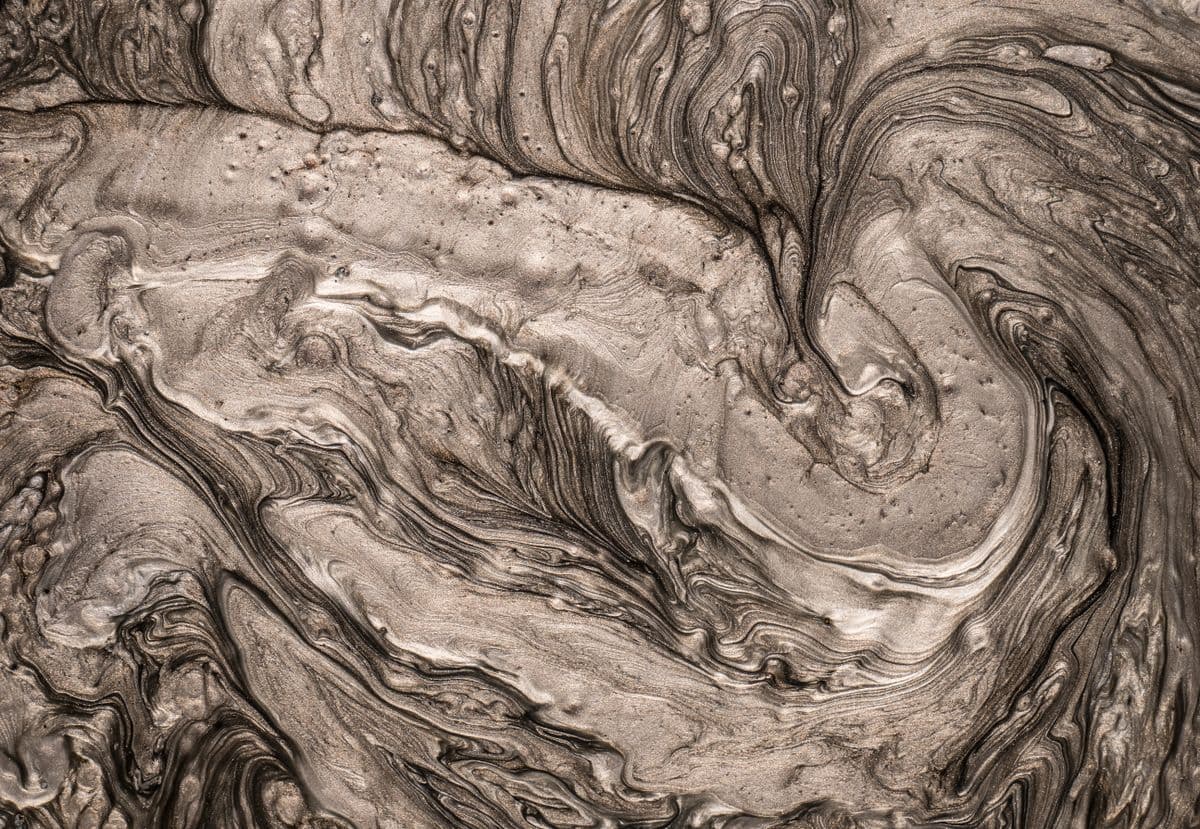
A Damascus pattern isn't printed or etched onto a blank — it's built into the steel itself, layer by layer, long before the blade takes shape. A billet starts as alternating sheets of high-carbon and low-carbon steel, stacked and forge-welded under heat and hammer until they fuse into a single block.
That block is then folded and drawn out again and again — sometimes a dozen times or more — each pass doubling the number of layers running through the steel. By the time the billet is ready to be shaped into a blade, it can hold several thousand individual layers, invisible to the eye until an acid etch reveals the boundaries between them.
The final pattern depends on exactly how the smith manipulates the billet: twisting produces a ladder or turbine figure, pressing a die into the surface produces a raindrop pattern, and simple grinding reveals a straight, flowing grain. No two smiths work a billet identically, and no two blades — even from the same billet — ever come out the same.
This is why we describe every York Vivant blade as a single, unrepeatable piece. The pattern is a record of the specific heats, hammer blows and folds that piece went through on its way to becoming a knife.